Allergies
Our Kaya Kalpa Program is a
unique proprietary program offered only at very few places in the world.

Allergy-related illnesses have been treated at the Ayurvedic Medicine
for many years.
These include not only well-known allergies, such as
hay fever, allergic asthma, allergic skin diseases etc., but also illnesses, which result
from hidden allergies.
Often these are not immediately recognized as an allergic reaction of
the body, because they are hidden behind nonspecific symptoms or because
allergic reactions intensify an existing basic illness. For example,
neurodermitis (inflamed skin
eczema),
food allergies, heavy metal
allergies and environmental pollutants belong in this category.
Asthma
fever
Allergies
- Food allergies
- Intolerances
- Allergic
bronchial asthma,
allergic
rhinitis (hay fever)
- Allergic skin
diseases, neurodermitis (inflamed skin
eczema),
psoriasis
- Auto allergic
diseases, e.g.
Crohn’s disease (ulcerative colitis)
- Metabolic
diseases
- Children’s
allergic diseases
Activate your
self-healing forces, attain health and vitality.
Finding the root of
the illness
Many allergies are an indication that the body is over-burdened by a
great number of poisons, so-called toxins, from our food and the
environment. Consequently, the allergy to which the body reacts is
merely a trigger.
On the one hand, it is therefore necessary to find the triggering
substance, even when it is not traceable in the blood. On the other
hand, by approaching the organism from many different sides during
diagnosis, it is possible to determine the total burden with which the
organism is co

Effective therapy
Once more, the basis of therapy is the relaxation of the nervous system.
Goal specific medical and physical therapies make it possible to
intensively detoxify the body, to re-attune the body’s reactions and to
activate the immune system. In our resort, healthy, non-harmful and non-irritatant
nourishment is also a significant cornerstone of therapy.
Furthermore, the psychic disposition of the patient is very significant.
Thus, for example, unresolved conflict situations can demonstrably
trigger an allergy or promote it. Here too, we also offer extensive
assistance via a genuinely holistic therapy.
Hygiene Systems To Improve Health
The following information is abstracted from
Dr. Kenneth Seaton and the book Prostate Health in 90 Days by Larry Clapp, Ph.D. J.D.
Respiratory infections and allergies constitute the greatest stress on
the people in most developed societies. Approximately 80% of visits to
doctors offices are for upper respiratory problems. There are two common
myths associated with allergies and common respiratory infections that
provide strong clues to their management: The average adult has 5 colds
per year.
Allergies are not caused by allergens such as pollens. house mites. dust
or other such substances. While it is true that these types of things
trigger allergic symptoms, the underlying cause is a malfunctioning
immune system; "Immunity gone wrong". The allergen simply triggers an
incorrect immune system response. In a sense, the immune system
identifies the harmless allergen and tries to kill it. The allergic
symptoms many of us are so familiar with, runny noses, watery eyes,
etc., are direct signs of our immune systems trying to kill these
harmless substances. This type of immunological mayhem cannot be
separated from the stress put on our immune systems from infections (in
many cases sub-clinical infections). Many auto-immune diseases can be
viewed as a severe form of allergy where the immune system attacks its
owner.
Dr. Seaton's studies over the past years demonstrate that the constant
auto-inoculation of the nose and eyes by the fingertip area, leads to an
overloaded immune system and most of the infections of the upper
respiratory tract. This overload of the immune system through the
contact of the fingertips to the eyes and nose is maintained by our
congested urban areas, an environment rich in man made toxic substances
(pollution) and fast, mass transportation which move microbes from one
part of the world to another each day. All of which impacts us each time
we touch our fingertips to the sensitive membranes of our eyes and nose,
overloading our immune systems.
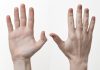
Germs Are Transferred Through Your Fingernails
When we think of diseases being transferred from person to person, we
conjure up images of people sneezing or coughing on each other. We
picture germs hurtling out of people's mouths and noses and rocketing
through the air right into our own noses or mouths to infect us. A
frightening picture, but one that we need not worry about, because
relatively few germs become airborne, and fewer still actually bother
us.
Germs aren't hurtled at us by coughs and sneezes. They're handed to us
during routine-and intimate -physical contact. Germs are handed to us
because human hands-especially under the nails-are a cornucopia of
germs. If you take samples from various parts of the hands you'll see
that while there are tens, hundreds, thousands of germs on the backs and
palms of the hands and on the fingers, there are tens of millions,
sometimes hundreds of millions of germs under the fingernails.
The fact that the undersides of the fingernails are a breeding ground
and a safe haven for germs is double trouble. First, the fingernails are
not protected by the "horny" layer of skin, making it easier for germs
to enter the body via the fingernails. Once inside they can get into the
many blood vessels that feed the remarkably sensitive fingertips.
Second, it is with our fingertips that we commonly touch each other-and
ourselves. Fingertips touch flesh when we shake hands, when we caress a
lover, when we grab hold of someone's arm to steady them. Fingertips are
involved when we hand someone a pencil or a dollar, when we touch a
computer keyboard or telephone. Fingertips come into play when we
scratch ourselves, floss our teeth, prepare and eat our food.
Once on the hand germs accumulate under and around the fingernails, from
where they hitchhike to the damp membranes of the eyes and nose
(autoinoculation). Surprising, this is the process by which many germs
and allergens affect our metabolism... through the contact of our
fingertips to the eyes and nose.
Autoinoculation
The average person touches their nose, mouth, and eyes many times a day.
If you watch a group of adults for an hour, you'll find that 1 out of
every 3 touches their nose, and 1 in every 2.7 touches their eyes. Even
this small amount of innocent touching is enough to carry germs from the
mouth, where they were probably unable to penetrate the body's defenses,
to the nose or eyes, where they have an easier time causing damage. This
passing of germs from one part of your body to another, unknowingly
carrying them to the places the germs like the best, is called
autoinoculation. But whether the germs come directly from others, arrive
indirectly via items we touch, or move from one part of our body to
another via autoinoculation, they're bad news.
Lowering Albumin: the "Hidden" Problem with Infection and
Disease
If germs entering the body simply did their damage, that would be
serious enough. But they unwittingly do far more. In order to fight off
invading bacteria, viruses, fungi and other invaders, the body sends the
immune system into action. In no time at all, T-cells, B-cells,
macrophages, eosinophils, and other immune system soldiers are engaged
in battle with the enemy. Here's how poor hygiene can lead to health
disasters:
- The battle against germs is a protein-based battle,
because the immune system utilizes many protein-based substances to
fight off the invasion.
- The immune system rapidly produces more protein-based
substances to defend the body.
- There can only be a certain concentration of all
proteins in the body.
- When the concentration of immune system proteins goes
up, the concentration of other proteins must fall.
- One of the proteins that decreases when the immune
system is engaged in battle is albumin, and that's where the trouble
lies.
Albumin is an important protein that is found in most animal tissues.
Medical doctors know about albumin, and often measure the amounts found
in the blood with a simple blood test. Standard blood work-ups include
albumin, depicting anything between 3.0 and 5.2 as "normal." Albumin has
not been a focus of traditional medicine despite the fact that albumin
levels are the single most important indicator of health status. If the
level of albumin in your blood drops, your risk of contracting a serious
possibly deadly-disease shoots way up. Statistical reports demonstrate
that albumin levels correlate closely with age, but are not truly
age-related. That is, albumin levels tend to drop as we grow older, but
don't necessarily have to.
Albumin is assembled in the liver from more than 500 amino acids. It is
the most abundant protein in the bloodstream, and has many important
duties. It:
- Protects easily damaged tissues from the free
radicals that can destroy cells and cause cancer by altering
cellular DNA.
- Guards against heart disease by transporting the
antioxidant vitamins that help keep the coronary arteries clean,
binding up fatty acids that tend to clog arteries and stabilizing
the ratio between HDL ("good" cholesterol) and LDL ("bad"
cholesterol).
- Binds up waste products, toxins, and dangerous drugs
that would otherwise damage the body and encourage disease. It also
detoxifies the fluids surrounding cells.
- Protects the biological terrain by buffering the
blood against pH changes.
- Helps to keep the blood flowing smoothly by
preventing red blood cells and other substances from clumping
together.
- Is essential for transporting vitamins, magnesium,
copper, zinc, bilirubin, uric acid, sex hormones, thyroid hormone,
other hormones, and fatty acids throughout the body. It regulates
the movement of nutrients between the blood and the body's cells.
- Stabilizes red blood cells and growth hormones.
- Plays a major role in controlling the precise amount
of water in various bodily tissues.
- Plays an important role in transporting and
circulating reservoirs of thyroid hormones.
- Purifies the cerebrospinal fluid, nourishes brain
cells, and maintains the blood-brain barrier.
- Helps to ensure that there are adequate amounts of
certain key minerals in the bones.
- Binds and transports the "stress hormone" known as
cortisol, reducing stress-induced damage to the thymus gland, brain,
and connective tissue.
pH
Albumin has been described as a "portable liver" because the liver is
the body's chief mechanism for disarming toxins and other dangerous
substances, and because albumin, which is made in the liver, does the
same throughout the body. It's as if the liver has sent millions of tiny
pieces of itself to every single little cell, to round up and destroy
harmful substances and organisms.
Albumin plays an indispensable role in maintaining the delicate chemical
balance of the nourishing fluids (interstitial fluids) that surround and
support the trillions of cells in the human body. If these fluids are
healthy, the cells will flourish. But if the fluids become polluted, or
depleted of certain substances, the cells cannot help but fall ill, and
disease will sweep through the body. Albumin is like a filter that
removes toxins from water, like the net that scoops debris out of a
swimming pool, like the dispenser that squirts extra vitamin D into
milkalbumin ensures that bodily fluids are clean, filled with nutrients,
and properly balanced. And when you're filled with health-giving fluid,
you cannot help but be healthy.
When Albumin Levels Fall
Ideally, there should be 5.0 g/d1 (grams per deciliter) of albumin in
the blood. (Some doctors and laboratories state this figure as 50 grams
per liter, which is the same thing.) Lower levels, around 3.5 or so, are
commonly seen in long-time vegetarians and people suffering from
malnutrition, kidney disease, cancer, severe infections, Crohn's
disease, pancreatitis, and other diseases. However, levels don't have to
fall as low as 3.5 before trouble appears.
Low levels of albumin have been linked to all cancers, with the risk of
developing cancer rising as albumin falls. Albumin is low in all people
suffering from cancer. You can track the progress of the disease by
looking at the patient's albumin level-the lower the albumin, the more
rampant the cancer. In fact, a low albumin level may actually cause
cancer. Albumin normally neutralizes aflatoxin, nitrosamines, and other
powerful carcinogens (cancer-causing substances). Without sufficient
albumin to keep these and other carcinogens under control, cancer can
flourish.
Back in 1775 we learned that at least one form of cancer could be caused
by "dirt." Chimney sweeps exposed to soot were more likely to develop
scrotal cancer than other people. Simply washing themselves carefully
every day reduced their risk to normal. Few of us are anywhere near
chimney soot these days, but we are exposed to many airborne chemicals,
especially if we live in polluted cities or near certain kinds of
factories and plants. We also know that some forms of cancer are caused
by viral infections. That's why it's vital that we regularly and
carefully wash away any germs or chemicals that can cause cancer, as
well as those that can indirectly cause the disease by overwhelming our
immune systems and reducing our albumin, allowing cancer to sneak in the
"back door."
Declining albumin also indicates an increased risk of heart disease. A
long-term British heart study found that a low albumin level was a good
predictor of heart disease. Another study stated that the odds of
suffering from coronary artery disease doubled when the albumin level
fell to 4.4 (that's only about l0% below the ideal level Of 5).
coronary
artery disease
Low levels of albumin are associated with several other diseases,
including Hodgkin's disease and HIV, the precursor to AIDS. Indeed, you
can use low albumin levels as a "predictor" of mortality. People with
albumin levels below 3.5 g/dl are approximately twenty times more likely
to die from all causes than those with albumin levels of 5.0 g/dl. Many
studies have confirmed this fact. Nursing home residents with albumin
levels of 3.5 g/dl had a death rate of about 50%, compared with an 11%
rate found in those with higher levels (around 4.0 g/dl). Among men and
women over the age of 70, death rates were 40% lower in those with
albumin levels of 4.4 g/dl, compared to those with levels of 4.2 g/dl.
Hip fractures are a serious problem for the elderly, who often weaken
and die after the break. Among hip-fracture patients whose albumin
levels were low (3.0), the death rate was 70%. But among those with
albumin levels 4.0, the death rate was only 11%."
Why Does Albumin Fall?
Albumin levels drop when the immune system engages in a battle with
invading bacteria, viruses, fungi, and other germs. It also falls when
the body is forced to deal with an onslaught of toxins and other
dangerous substances that we inhale, drink, or eat, or that get into the
body through the skin, respiratory system, or other ports of entry. The
fact that the body mounts a powerful offensive is good, for otherwise we
would die. But the unintended consequence, the shortfall in albumin, is
harmful in the long run.
Temporary drops in albumin levels are necessary, and not a problem. It's
as if we miss a credit card payment one month because of unexpected
medical expenses, then make the missed payment, with interest, the next
month. Our credit takes a small "hit," then quickly recovers before any
permanent damage is done. The problem comes when we're continually
battling infections, parasites, and toxins. Then our albumin runs low
for months on end and, like a person who doesn't make a credit card
payment for several months, our "credit" is eventually ruined. Now we're
facing serious illness, and we never seem to have enough resources to
beat the disease and "get ahead."
Parasites
Increasing Your Albumin Level
It's important to monitor your albumin level and make sure it stays
high, since low albumin has been linked to an increased risk of death
from all causes in both sexes and among all races and age groups." The
ideal albumin level is 5.0, but the average level in the United States
is only about 4.2 -too low for optimal health and low enough to
encourage disease. Albumin is produced in the liver, but there's no way
to encourage the liver to make more-no drugs, no diet, and no form of
exercise that will spur production.
Doctors can infuse albumin into the body, and may do so for patients
suffering from cancer and other serious diseases associated with low
albumin. Unfortunately, "albumin shots" don't work. When albumin is
infused into the body, it upsets the carefully calibrated concentration
of proteins (osmotic pressure). The liver attempts to get the
concentration back to normal levels by halting its own production of
albumin. And if that doesn't work quickly enough, it starts destroying
albumin in a frantic attempt to get things back to normal in the body.
The liver doesn't understand that the extra albumin may be helpful; it
only knows that something is out of balance, and balance must be
restored.
The only way to keep albumin levels high is to stay healthy. I know that
sounds like circular reasoning-low albumin causes you to be sick, and
the only way to increase albumin is to not get sick-but it's not. When
we have an infection or have been injured, the total number of
antibodies and certain other proteins rise. Since there can only be so
many proteins in bodily fluids at one time, if the antibodies and other
proteins associated with infection or injury rise, then the albumin must
fall. Remaining healthy is the only way to keep the antibodies and other
proteins at normal levels, leaving "room" for plenty of albumin.
Fortunately, we can lower the risk of infection by paying scrupulous
attention to personal hygiene. Infection is often caused by the foreign
bodies (germs) which enter our body through the mouth, nose, eyes, and
fingernails, as well as through cuts in our skin. Good hygiene won't
prevent cuts, but it can eliminate many of the germs that are lurking
around our eyes, mouth, nose, and fingernails. By preventing the germs
from getting into our bodies and causing infections, we keep our
antibodies at a normal level, allowing our albumin level to rise.
Other Problems That May Be Helped or Prevented with Good
Hygiene
Prostate problems, including cancer, are known to be linked to high
testosterone, which is kept in balance by albumin. But it's not just men
with prostate cancer who can be helped by proper hygiene. A great many
ailments are caused or worsened by poor hygiene and the inevitable drop
in albumin, including:
Acne. Bacteria can grow in the sebum that abounds in glands just underneath
the skin. Scratching, rubbing, or pinching acne can introduce even more
germs to the infected areas.
Aging. Decreased albumin levels are probably the major cause of
accelerated aging and contribute to most of the dysfunction we see with
increasing age. Decreased albumin levels will increase free cortisol
which causes most of the damage.
Allergies and asthma. Many of the substances carried in the fingernails, including staph
aureus and worm eggs, can trigger allergic reactions or asthma when we autoinfect ourselves. The facial dips in the hygeine system literally
stop most allergic pollen, dust or mold reactions in minutes.
Asthma
Alzheimers.
Immune system dysfunction seems to be the single most important reason
we develop progressive dementia.
Athlete's foot. Our fingernails can pick up from our feet the fungi that cause athlete's
foot, and then deposit it to other areas of skin, spreading the
infection.
Arthritis. Infectious and rheumatoid arthritis can both be caused by invading
organisms which can be kept out of the body with proper hygiene.
Candida. A common problem, especially for women, the fungi and yeast that cause candida can produce annoying to serious infections in the vagina,
gastrointestinal tract, and elsewhere. There are women who had suffered
with chronic vaginal yeast infections (for as long as 20 years) who had
their problems disappear in one week on the hygiene program, especially
from the baths.
Candida/yeast/fungi
Colds and flus. Although we
instinctively flinch when someone with a cold coughs or sneezes on us
(or anywhere near us), most of the moisture expelled from the mouth
during a cough or sneeze does not contain many germs. That's because
cold viruses do not routinely "hang out" in the saliva pools which
comprise most of the droplets shot from the mouth by coughing and
sneezing. Instead, the viruses congregate in the nose, which has the
temperature and other conditions they prefer. Not only do cold viruses
favor the nasal environment (the nasal passages are more hospitable for
cold viruses), they also have a better chance of getting into the body
and its cells via the nose. Since we touch our noses many times during
the day, the chance of carrying germs to and from the nose is great.
Diabetes. Recurrent infections are a problem that plagues diabetics. Stopping the
infection autoinfection cycle will help many diabetics avoid needless
infection and allow their bodies to concentrate on healing.
Measles. Although generally harmless when it strikes in childhood, measles can be
a very serious disease for adults. It's very difficult to get people,
especially children, not to scratch or touch themselves when infected,
raising the likelihood of contagion. Excellent hygiene of the hands,
especially the fingernails, may help to keep the disease contained.
Pneumonia. Often called the senior citizen's "best friend" because it leads to a
relatively quick and painless death, pneumonia often strikes after or in
conjunction with other respiratory ailments. This means that a cold or flu can prepare the way for pneumonia-the same cold and flu that can be
prevented with impeccable hygiene.
flu
Worms. Almost everyone plays host to these tiny invaders at some point in their
life-and perhaps many times. Worm eggs are easily picked up by our
fingernails when we touch various surfaces or other people, and then
enter our body via the mouth, nose, or eyes when we touch ourselves.
Worms can be draining and debilitating, damaging body tissue and robbing
of us nutrients and energy. It's best to wash away worm eggs before they
get inside and force us to employ stronger measures to get rid of them.
And that's not all. AIDS, chicken pox, circulatory problems, cystic
fibrosis, dandruff, ear and eye infections, fat metabolism disturbances,
herpes, multiple sclerosis, sex hormone imbalances, skin diseases of
various kinds, and thyroid disorders can also be helped or avoided by
good hygiene, which helps prevent germs from entering the body and keeps
albumin levels up.
Dandruff
Too Simple to Be True?
This sounds like a simple idea, perhaps too simple to be worthwhile.
However, it is no more than an extension of the work of the great
Austrian doctor, Ignaz Semmelweis, who created an incredible uproar in
the medical community in the 1840s when he insisted that doctors wash
their hands before examining women in the maternity ward. (The doctors
often came right to the maternity ward from the morgue, where they had
been dissecting cadavers, without stopping to wash their hands.)
Pregnant women used to plead to be cared for by the midwives rather than
doctors, because those who were cared for by the midwives (who did not
cut up dead bodies) had a much higher survival rate. But the doctors
refused to heed Dr. Semmelweis' plea. They were insulted by the very
idea that they might be carrying germs to their patients and killing
them. So they drove Dr. Sernmelweis out of the hospital and into the
insane asylum, where he died.
Yes, washing your hands sounds like a very simple solution to an
incredibly complex set of problems, but the simplest ideas are often the
best. Sometimes changing just one thing produces dramatic results.
Scurvy used to decimate the crews of ships sailing the high seas in the
15 , 16th, and 17th centuries. The problem was solved when sailors began
eating citrus fruits or drinking lemon or lime juice. Pellagra was a
terrible scourge for many centuries in various countries. It attacked
many in the United States, leading to the "Four D's": diarrhea,
dermatitis, dementia, and death. This mysterious and impossibly complex
disease was eradicated by adding niacin, one of the B vitamins, to the
diet. A solution doesn't have to be complex. It simply has to work. And
good hygiene works!
Diarrhea
The Solution
As is often the case in Nature, the solution is astonishingly simple and
reliable! Advanced personal hygiene of the fingertip area, especially
under and around the fingernails, and by the daily cleansing of
membranes in the front of the nose and around the eyes can remove the
overload from our immune systems and reduce the number of clinical and
sub-clinical infections of the upper respiratory tract to levels never
before thought possible. This non-invasive, non-pharmaceutical solution
is surprising simple and effective. Advanced hygiene is a more
scientific approach to washing that keeps germs, environmental toxins
and allergens away from our bodies before they can cause any stress or
damage to our systems.
Further, once the overload is removed from our immune systems, many
allergies are self correcting. Not only does advanced personal hygiene
reduce the amount of auto-inoculation of allergens, but once the
overload is removed from our immune systems, the allergen that used to
trigger allergic responses no longer causes immunological mayhem to our
systems. The allergy is gone. Even though people may have different
genetic predisposition's to allergies, stress and frequency of illness,
it is an individuals standard of hygiene that determines the differences
between people, not differences such as race, social or income levels.
The Skin
The skin is not just a covering over our bodies. It is an organ, like
the heart, liver or brain. In fact, it is the largest organ in the body,
and one of the most complex. How would you wash your heart, liver or
brain each day? In reality, the skin is an endocrine organ, part of our
immune systems. It is a vital and integral part of the immune system
itself T cells, the master cells of the immune system, after passing
through the thymus, migrate to the skin's surface where, amazingly, they
receive maturation hormones from skin cells. Even tiny traces of
chemicals can interfere with the skin cell's ability to produce these
complex hormones which are vital for maintaining the immune system
throughout our lives.
Fingertips
The sense of touch and blood flow and sensitivity of the fingertips is
so extraordinary that a blind person can read by feeling. The fingertips
are a real extension of our brain. Dolphins, with very large brains, can
never build any civilization or even weapons to protect themselves.
-Our hands, with their opposable thumbs, are perhaps the most remarkable
design in all of nature.
The area under the fingernail has no dead horny skin layer and is very
thin. The blood flow to the nail bed is about the most complex of the
entire body. Constant use of chemicals under and around the fingernails
can cause those chemicals to be absorbed directly into the blood stream.
One dangerous side effect of constantly applying
antiseptics/disinfectants to the fingertips is the introduction of
chemicals into the delicate tissues of the eyes, nose, skin, hair and
food through touch.
Further, the skin, particularly of the fingernail area, is teeming with
a wide variety of germs, something like the natural flora of the rain
forests in South America. These germs should be in perfect balance,
competing and producing complex chemicals that prevent colonization by
pathogenic microbes. Amazingly, many people become sick because they do
not have enough of the correct type of germs on their skin. We call this
the "natural disinfecting power" of the skin. Natural oils, waxes and
secretions should be on the skin and perhaps are vital in the production
of the hormones that cause T cells to mature.
Antiseptics, Disinfectants & Antibacterial Agents
Over the last 15 years, Dr. Seaton formulated and tested approximately
5,000 different soaps. For years he tried every type of
antiseptic/disinfectant/ antibacterial agents available. They ALL failed
for the following reasons: (1) Most are not effective against ALL types
of germs, thus some overgrow. (2) The combination of several different
types of these is highly toxic, and causes stress for the immune system.
(3) ALL chemicals that kill germs will kill people, if used in
sufficient concentrations or over many years. (4) These chemicals
disturb the natural balance of healthy microflora. (5) Over a period of
time, all substances applied to the skin are absorbed through it and
affect the body's internal metabolism and (6) the emulsion of the soap,
when tiny traces are introduced into the eyes and nose, sends the immune
system into disarray and contaminates the delicate tissues.
Further, there is grave concern in the medical community about the
overuse of antibiotic medications, which has given rise to all sorts of
antibiotic-resistant bacteria and deadly new infections. Now the overuse
of antibacterial soaps is causing us similar concern. Our common skin
flora includes a wide range of germs that are normally harmless; in
fact, they compete with disease-causing microorganisms and in many cases
provide a natural immunity against disease. Too many germs may pose a
threat; too few, and we have an artificially sterile biological
ecosystem in which virulent new organisms may take hold and flourish.
High Performance Hygiene Facial and Body Soap, by trial and error,
enormous research and scientific design, does NOT disturb the natural
disinfecting power of the skin, does NOT disturb the immunologic
function of skin cells producing these complex hormones and is NOT
toxic, no matter how many times it is used, even on a newborn baby. Dr.
Seaton is constantly striving to improve his product, especially in its
emulsion so it does not stress the immune system's ability to recognize
self from non-self.
His High Performance Hygiene soap is a natural product. That means it is
NOT made from petroleum products. Many soaps today are. Many
manufactures use the carbon chain from petroleum products to develop a
hydrophobic and hydrophilic carbon chain. For example; many
manufacturers of consumer soaps use a type of ingredient similar to
brake fluid called Diethylene Glycol or Triethylene Glycol. These
substances are used to give the soap a smooth non-drying look, however,
they are completely unnatural to the skin. These detergent-type soaps
made from petroleum products are completely unnatural and remove the
essential skin lipids. It is important to note: The skin is an organ,
like the heart and the liver. Ask yourself the questions: "Would you rub
brake fluid all over your liver everyday for 50 years?" "Would you have
a healthy liver? "
An important test for a soap is: Can you eat a quart of it with no
effect? There is a scale of poisons normally used in the pharmaceutical
industry. For example; Nicotine, heroin and cyanide are S6, this means
only a few drops can kill. A natural soap should be S1, practically
non-toxic, because no-one can eat enough of it to cause any problems.
The High Performance Hygiene soap is so safe, that many people have
reported to Dr. Seaton that their cats or dogs have eaten half a tub. I
tell them not to worry. It will do them more good than harm. I have to
make certain that my dog doesn't get near the soap because he tends to
eat it as well. Fortunately, I keep my dog outside. Animals have
remarkable sense of smell and taste and seem to know what is poisonous
and what is not.
As many do, making soap with Diethylene, Ethylene, Triethylene Glycol,
or even Propylene Glycol is completely against common sense. To give
some idea of the side effects the world's most prestigious Pharmacopoeia
(Martingale, 28th ed.), published by direction of The Council of the
Pharmaceutical Society of Great Britain states the following about these
chemicals:
'Diethylene and Triethylene Glycol; A colorless almost odorless
hydroscopic syrupy liquid with a sharp sweet taste. The toxic effect
following ingestion by mouth are; depression of the central nervous
system, degenerative changes in the kidneys and liver. The symptoms and
effects are those similar to those produced by Ethylene Glycol
intoxication. Seven children, aged 6 to 31 months, died following
ingestion of a preparation in which the solvent was found to be
Diethylene Glycol.'
Because the skin absorbs most substances that are applied to it, the
soap maker needs to pay careful attention to these matters. This is
particularly important when substances are applied under and around the
fingernails where the skin is very thin and has no dead skin horny layer
and a very high blood flow. In addition, whatever you apply to the
fingertips ends up getting into the eyes and nose because of the
astonishing frequency of self-inoculation (the touching of the
fingertips to the eyes and nose). Further, the skin must contain the
oils, fats, waxes and enzymes plus germs that were designed by Nature. A
soap not only must clean the skin, it must replace the oils that are
washed away. It must replace the oils as close to those designed by
nature. The genius learns from nature.
The soap chemist must have a knowledge in immunology, biochemistry,
dermatology, physiology, as well as chemistry. Dr. Seaton spent over 16
years in full time research attempting to make the world's most
scientific soap. His efforts resulted in a revolutionary Tub Soap. It is
the easiest way to clean the fingernails, hands, skin and hair. Young
children and old people cannot handle a bar of soap. The bar of soap and
the liquid pump are totally useless In cleaning under and around the
fingernail area in all ages, which is the most important area with the
highest concentration of germs. Iif there are 10 million germs on the
hands, it is estimated that 9.9 million are under and around the
fingernails. The bar or liquid soap totally concentrates on cleaning the
palm and back of the hands. This is equivalent to hunting crocodiles in
the Sahara desert. There are none there! Under and around the
fingernails where the germs are is equivalent to the Nile valley where
all the crocodiles can be found.
Further, because we are an animal and have animal fats and oils on our
skin, it is impossible to make a soap from pure vegetable oils that is
going to restore the natural skin lipids, and ensure that the natural
disinfecting power of the skin remains in tact. It is essential to make
soap from a combination of animal and vegetable oils. Many native races
living under natural conditions have perfect skin, and use special soaps
derived from plants and animal fats. Remember, you are as old as your
skin! You areas attractive as your skin! Your immune system Is as good
as your skin! Your health can be determined by your skin, and you are
recognized by those who know you by your skin.
Instructions for the Hygeine System
Throughout history, people living in cleaner societies have had higher
albumin levels and longer lives. Dirty fingernails, which are indicative
of overall cleanliness, have long been associated with lower albumin
levels. Cleanliness is certainly a path to better health and longer
life! Regular washing of the hands and face-at least five times a day-is
an excellent start, but it's only a beginning. Careful scrubbing for a
full minute, which few of us do, can remove up to 90% of the germs from
most of the body, but not the fingernails. Neither will regular hand and
face washing eliminate the germs hiding in the nose and eyes. And
scrubbing with regular soap is not enough. In fact, washing with some
soaps can actually increase the numbers of germs. Something more is
needed.
Here are the instructions for using the various soaps in the hygeine
system:
Overall Hygeine
1. Try to use a bath and not a shower. You could use however shower in
the morning but it would be best to have a bath at night. When you take
your bath but one half to one full cup of salt in the tub. This will
help clean the genital tract, rectum and skin. If you do not have well
water and use municipal water it is likely your water has chlorine in
it. In this case it would be best to fill your tub from the shower head
after you have attached a chlorine filter.
2. If you are a man NEVER insert your fingers into a woman's vagina
unless your fingernails are clean with this system. If you are a female
do not allow digit penetration of your vagina. If you break this rule
you will greatly increase your risk for acquiring a vaginal infection.
3. Do NOT bite your nails. This habit should be stopped immediately! One
can go to any pharmacy and obtain a solution that is used to help baby's
from sucking their thumbs. It is non toxic and will work in days to stop
you from biting your nails.
4. If you are a woman with long nails cut them to regular size. It will
be virtually impossible to clean your nails well if they are very long.
The other, perhaps more important issue, is that long nails prevent
stimulation of the fingertips. If this happens for a prolonged time you
will actually get brain atrophy. The brain requires regular stimulation
from the fingertips to stay healthy.
5. Try to get to bed by 9 PM (10 PM at the latest). This will maximize
your peak cortisol levels.
Hand Soap and Facial Dips
1. This system of hygiene replaces bar, liquid, and hair soaps, as well
as skin creams. You must follow instructions exactly to get the results.
2. If the soap dries out, put the lid back on.
3. Hand washing. It is essential to prod the thumbs and fingernails
(with dry hands) into the soap several times for approximately three
seconds. Make certain to stick your fingers so that the nails is
completely covered with the soap. It is also helpful to rotate the
fingers to make certain the soaps is inserted on the sides of the nail.
Use the excess soap clinging to the fingertips to rub all over the rest
of the hands. Then wet, create lather, and rinse. Wash hands at least
five times a day.
4. Skin cream: These soaps contain their own unequaled moisturizer. For
best results do not use any skin cream. If necessary, we recommend
sunflower oil.
5. Face washing. Massage the soap into the skin, lather, then rinse. For
those with acne or other skin problems, use frequently. The facial dip
is explained below.
6. Bath/shower. Use the sponge supplied. Wet both body and the sponge.
Then turn off water and create a rich lather using the sponge and soap.
Rinse.
7. Hair. Wet hair, use plenty of soap, massage into the scalp for 30
seconds, then rinse. Use a conditioner only if necessary.
8. Facial Dip A & C. Use Facial Dip A (hydrogen peroxide/zinc/magnesium)
most of the time, preferably first thing in the morning, because it's
very soothing to the nasal passageway and eyes. Use Facial Dip C
(iodine/HOI) especially at the first sign of any infection (usually if
Facial Dip A isn't working). It is safe to use up to 4 half-eyedroppers
of Facial Dip C during infections such as colds, sore throats, or sinus
problems. Do not use Facial Dip C every day month after month.
With Facial Dip A, use a capful in a normal hand basin containing 5 to 8
quarts of very warm water. With Facial Dip C use between 1 and 4
half-eyedroppers in 5 to 8 quarts of very warm water. It is essential to
add 1 to.2 tablespoons of salt (sodium chloride) at least 80% of the
time, yet not all the time. Do not mix Facial Dip A and C together. Use
the hand basin, not a separate bowl. (The bacteria in the hand basin are
essential to activate the process.) Mix the solution with running water,
never your fingers. Do not draw the water to the back of the throat.
Simply allow the first two inches of the nasal passageway to be cleaned.
10. Bath: Add half a pound of table salt, Plus 5 halfeyedroppers of
Facial Dip C when you are actually in the water. Supervise young
children. This bath is good for very young children who cannot perform
the facial dip and to clean the genital tract in males and females. Do
not add any soap for lo minutes because it deactivates the iodine.
11. Foot soak. Add 4 to 6 half-eyedroppers of Facial Dip C to one gallon
of hot water, plus a tablespoon of salt. Soak feet for 10 minutes,
particularly if you have problems or fungal infections.
12. Vitamin supplement. This system works very well with 1,000 mcg (not
sublingual) of vitamin B12, but not with multivitamins. It is a good
idea to fast one day a week, perform sensible exercise, and go to bed
early, around 8 p.m., about twice a week.
13. Please note: Cleaning the fingernails, nasal passageway, and eyes is
very complex. Do not use any other chemicals. Follow these instructions
exactly.
Dr. Seaton's soap can be obtained in our office at a reduced rate or you
can contact the distributor directly.

| DrEddyClinic.com Treatments |
| Related Site:
|
|
|
| DrEddyClinic.com Treatments Programs |
| Related Sites
|
|
|