|
|||||||||||||||||||||||||||
|
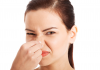
Sweating and body odor
Sweats as a
means of regulating body temperature.
People generally
associate body odor with excessive sweating or
sweating, but sweating Sometimes the complex mechanism of perspiration goes awry, resulting in either excessive perspiration (hyperhidrosis) or little or no perspiration (anhidrosis). Excessive sweating can be embarrassing and may sometimes signal a more serious health problem. Anhidrosis is potentially life-threatening. The odor that sometimes occurs when you sweat is probably more upsetting. Although perspiration is basically odorless, it can take on an unpleasant smell when it comes into contact with bacteria on your skin. Signs and symptoms Healthy people sweat. But when, where and how much vary widely. Factors that cause most people to sweat include:
Perspiration that's triggered by emotion is most likely to occur on your face, underarms, palms and the soles of your feet. But how much you sweat and even the way your sweat smells can be influenced by your mood, certain foods and beverages, some drugs and medical conditions, and even by your hormone levels. What's more — unfair as it seems — some people inherit a tendency to sweat heavily, especially on their soles and palms. Because it's almost impossible to define normal sweating, try to learn what's normal for you. That will help you pinpoint any unusual changes. Sweating and body odor > next > 1 > 2 > 3 > 4 Related Site: Treatments Treatments Programs:
|
|
|||||||||||||||||||||||||||||||||||||||||||||||||||||||||||
|
|||||||||||||||||||||||||